
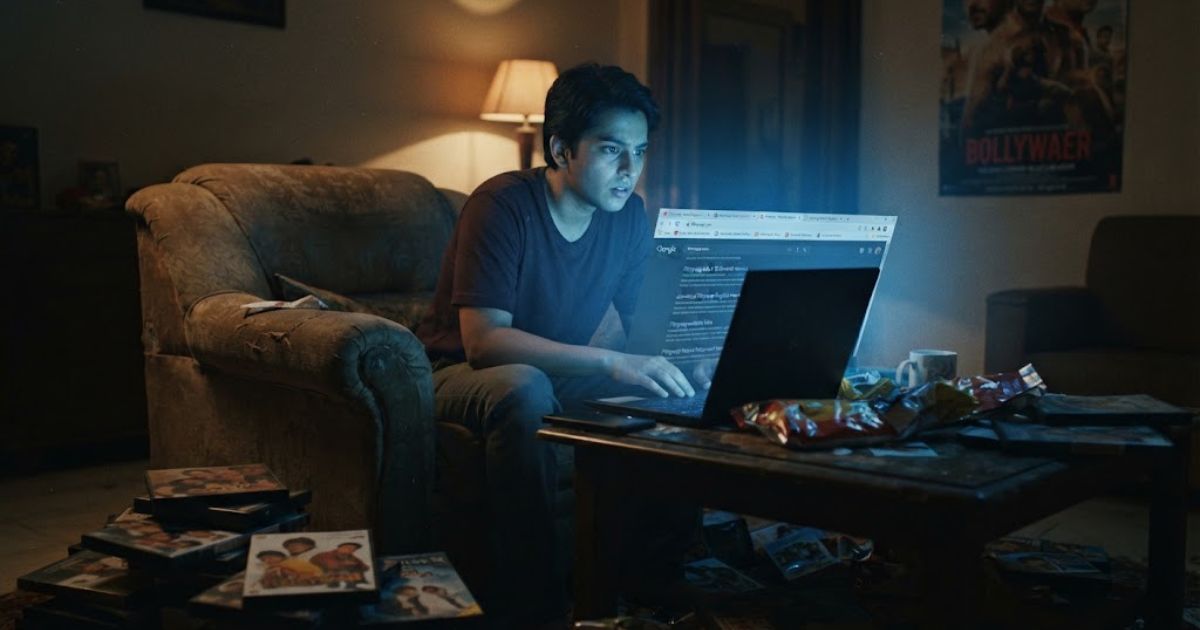
If you searched for Filmywap, you’re probably trying to watch a movie for free, fast, without signing up for another subscription. That’s a fair goal. Streaming costs have climbed, and juggling five different apps to watch one film is annoying.
But Filmywap isn’t a streaming service. It’s a piracy website, and understanding what that actually means — legally, technically, and practically — will save you time, money, and possibly a lot of trouble.
This guide explains exactly what Filmywap is, how it operates, why courts keep blocking it, what risks come with using it, and which legal options actually give you the same movies without the downsides. No vague warnings, no fluff — just a clear breakdown so you can make an informed decision.
What Is Filmywap?
Filmywap is a piracy website that uploads and distributes copyrighted movies and web series without permission from the studios or rights holders that own them. It typically hosts Bollywood, Hollywood, and South Indian (Tamil, Telugu, Malayalam, Kannada) films, often within hours or days of theatrical release — sometimes even before the official release date through leaked camcorder or screener copies.
The site makes money through advertising, redirect links, and pop-ups rather than licensing fees, which is why it can offer content “free.” It does not pay studios, actors, directors, or distributors for the content it shares.
Sites like this are commonly referred to in India’s legal system as “rogue websites” — a term used in High Court orders to describe platforms whose primary purpose is facilitating copyright infringement.
Is Filmywap Legal?
No. Filmywap is illegal in India and in most other countries.
Distributing or downloading copyrighted films without authorization violates the Copyright Act, 1957. Under Section 63 of the Act, copyright infringement is a criminal offense punishable with imprisonment ranging from six months to three years and a fine between ₹50,000 and ₹2,00,000.
In 2023, the Cinematograph (Amendment) Act added specific anti-camcording and anti-piracy provisions, allowing for imprisonment up to three years and fines up to ₹10 lakh (or 5% of the film’s production cost) for unauthorized recording or distribution of films.
This is why Indian courts — including the Delhi High Court and Bombay High Court — regularly issue dynamic injunction orders (sometimes called “John Doe orders”) directing internet service providers to block Filmywap and its mirror domains as soon as they reappear.
How Filmywap Keeps Coming Back
If Filmywap is illegal and repeatedly blocked, why does it still show up in search results? Here’s how it survives:
- Mirror domains: When one URL gets blocked, operators launch a near-identical site under a new domain extension (.com, .in, .cc, .vip, and so on).
- Proxy and redirect sites: Third parties create unofficial “unblocked” proxy pages that route traffic to the original content.
- Frequent rebranding: Some piracy networks rename themselves entirely while reusing the same backend infrastructure.
- Decentralized hosting: Servers are often based in jurisdictions with weaker copyright enforcement, making takedowns slower.
This cat-and-mouse pattern is common across most film piracy networks, not just Filmywap. It’s also why typing “Filmywap new link” or “Filmywap 2026” into a search engine rarely leads anywhere stable or safe.
The Real Risks of Using Filmywap
Beyond the legal issue, there are practical risks most people don’t think about until something goes wrong.
| Risk | What It Means for You |
|---|---|
| Malware and spyware | Piracy sites are a common vector for malicious ads disguised as “download” buttons. |
| Phishing attempts | Pop-ups often mimic login pages or prize notifications designed to steal personal data. |
| No quality control | Video files are frequently mislabeled, low-resolution, or cut off midway. |
| Excessive ads and redirects | Clicking almost anywhere on the page can trigger unwanted redirects to unrelated sites. |
| Device security risk | Some piracy platforms push unwanted browser extensions or fake “codec” installers. |
| Legal exposure | While individual prosecution for streaming is rare, uploading, downloading, or sharing files can carry legal consequences under copyright law. |
Cybersecurity researchers have long flagged piracy and streaming-redirect sites as a higher-risk category for malvertising compared to licensed platforms, largely because ad networks on these sites have far less vetting than those used by mainstream apps and services.
Filmywap vs. Legal Streaming Platforms
| Factor | Filmywap (Piracy Site) | Legal Streaming Platforms |
|---|---|---|
| Legality | Illegal, repeatedly blocked by courts | Fully licensed and legal |
| Video quality | Inconsistent, often poor | HD/4K, consistent quality |
| Safety | High risk of malware/phishing | Safe, secured apps |
| Reliability | Domains go down frequently | Stable, always accessible |
| Subtitles/dubbing | Rare or inaccurate | Professionally produced |
| Supports filmmakers | No | Yes, through licensing revenue |
| Cost | “Free” but hidden risk | Free tiers + paid subscriptions |
The short version: Filmywap might look free, but the hidden cost comes in the form of security risk, unreliable access, and legal exposure.
Legal Alternatives That Actually Work in 2026
You don’t need to rely on piracy to watch new releases affordably. Here’s what’s currently available:
Subscription streaming platforms
- Netflix — large Hollywood and original content library
- Amazon Prime Video — strong Bollywood and regional catalog
- JioHotstar — formed after Disney+ Hotstar and JioCinema combined their Indian streaming operations, now covering Hollywood, Bollywood, regional cinema, and live sports
- SonyLIV and ZEE5 — strong regional and South Indian film libraries
Free, ad-supported legal platforms
- YouTube Movies (many studios release films with ads after the paid window ends)
- MX Player and similar ad-supported apps with licensed catalogs
- Tubi and Pluto TV (available in select regions) for free, legally licensed films
Pay-per-view and rental
- Google Play Movies, Apple TV, and Amazon Video allow renting individual new releases, often cheaper than a full subscription if you only want one film.
Theatrical and library access
- Many public libraries offer free licensed streaming through apps like Kanopy or Hoopla, depending on your region.
A practical approach: check 2–3 subscription apps you already pay for before assuming a film isn’t available legally. Many new releases land on a streaming platform within 4–8 weeks of theatrical release.
What to Do If You Accidentally Land on a Piracy Site
If a search result or ad takes you to Filmywap or a similar site:
- Don’t click anything on the page — close the tab immediately, including pop-ups.
- Avoid entering any personal information, including email or phone number.
- Run a malware scan if you clicked a download button or installer prompt.
- Clear your browser cache and check installed extensions for anything unfamiliar.
- Use an ad blocker and updated browser going forward to reduce exposure to malicious redirects.
Common Misconceptions About Filmywap
“It’s not illegal if I only stream, not download.”
Streaming from an unauthorized source still involves accessing infringing content, and in most jurisdictions the legal risk is tied to the site’s distribution, not just the viewer’s action — but courts have increasingly also targeted the platforms themselves through blocking orders rather than individual viewers.
“It’s safe if I use a VPN.”
A VPN can mask your IP address, but it does nothing to protect you from malware, phishing pop-ups, or fake download prompts already embedded in the site itself.
“New domains mean it’s a different, safer site.”
Mirror domains are run by the same operators using the same ad networks and security practices (or lack of them) as the original.
Common Mistakes People Make Searching for Free Movies
- Searching “Filmywap [movie name] download” and landing on unrelated scam pages
- Ignoring browser security warnings before clicking through
- Downloading “player” or “codec” files from pop-ups to view a video
- Assuming free legal alternatives don’t exist simply because they require a few extra taps to find
Expert Tips for Safer Movie Streaming
- Check JustWatch or a similar aggregator to find which legal platform currently hosts a specific film before searching further.
- Set a monthly streaming budget and rotate subscriptions rather than keeping all platforms active year-round.
- Use library-based free apps if cost is the main barrier.
- Enable browser-level pop-up blocking and a reputable antivirus extension if you frequently browse unfamiliar sites.
FAQ
Is Filmywap banned in India?
Yes. Indian courts have repeatedly ordered ISPs to block Filmywap and its mirror domains under copyright infringement laws, though new domains periodically reappear.
Can I get in legal trouble for using Filmywap?
Operating or uploading content to piracy sites carries clear criminal liability under the Copyright Act, 1957. Individual streaming users are rarely prosecuted directly, but downloading or sharing infringing files increases legal exposure.
Why does Filmywap keep changing its domain name?
When a domain is blocked by court order, operators launch a new one to bypass the block, which is why “working link” searches constantly change.
Is there a safe version of Filmywap?
No. Every mirror or clone operates on the same unlicensed model and carries the same legal and security risks as the original.
What’s the fastest legal way to watch a new release?
Check major streaming platforms you already subscribe to, or rent the film through Google Play, Apple TV, or Amazon Video for a one-time fee.
Do piracy sites actually contain viruses?
Not every page contains malware, but ad networks used by unlicensed piracy sites are known to carry a higher rate of malicious redirects and fake download prompts compared to licensed platforms.
Conclusion
Filmywap might seem like a quick way to watch a movie without paying, but the trade-off isn’t worth it. You’re dealing with legal risk, inconsistent video quality, and genuine security threats, all for content that’s usually available legally within weeks through a platform you can trust. A small shift — renting a film, checking a free ad-supported app, or rotating one subscription at a time — gets you the same movie without the downside.